

Distinctive Brand Assets: The Shortcut to Building a Strong Brand on Social Media
In the oversaturated environment of social media, brands compete for attention and a place in consumers’ minds. The winner is the one who secures more neural connections and builds higher mental availability. That’s why it’s not so much about being different, but about standing out and being distinctive. Distinctiveness over differentiation. And in this regard, distinctive brand assets play a key role. Let’s take a look at how to work with them in your social media communication.
A shortcut into the customer’s mind
Distinctive brand assets help a brand make its way into the customer’s mind. Their primary function is to evoke the brand name, enable instant recognition, and enhance memorability. Every time you use these assets in your communication, it becomes easier for the customer to associate the message with your brand. And that is essential for building mental availability.
Core distinctive brand assets include the brand name, logo, font, color palette, tagline, brand face, jingle, music track, and symbolic shapes. For a brand aiming to go beyond social media, it’s important to have a broad set of distinctive brand assets ready to use across different media channels – for instance, a character or logo won’t help in a radio ad; you need a jingle.
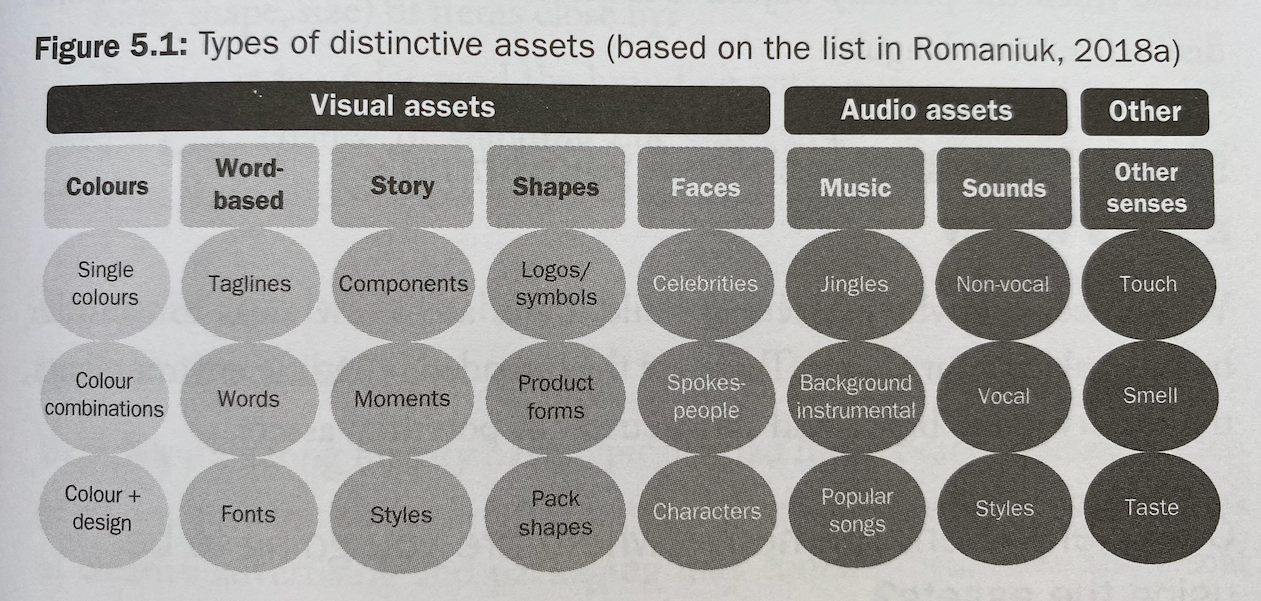
Source: Building Distinctive Brand Assets (Jenni Romaniuk)
How to build strong distinctive brand assets
Let’s say you already have a set of brand elements. How do you turn them into truly strong representatives of your brand—ones that can stand on their own and support mental availability (and ultimately, sales)? You need to showcase your assets alongside your brand name, to as many category buyers as possible, consistently and with strong visibility. Let’s break it down:
- Broad reach among category buyers – Just like brands themselves, distinctive brand assets are built by showing them regularly to as many customers in your category as possible. Use brand-building platforms with broad reach to achieve this.
- Prominent execution – This is about how your brand assets are placed and presented within specific social media formats. Make sure your elements are prominent, clearly visible, and positioned near the brand name in all communications.
- Consistency – This is key to embedding assets in customers’ memory. Use your distinctive brand assets consistently across all formats and every touchpoint to strengthen mental connections. Avoid trying to be original every time.
Core distinctive brand assets of McDonald’s

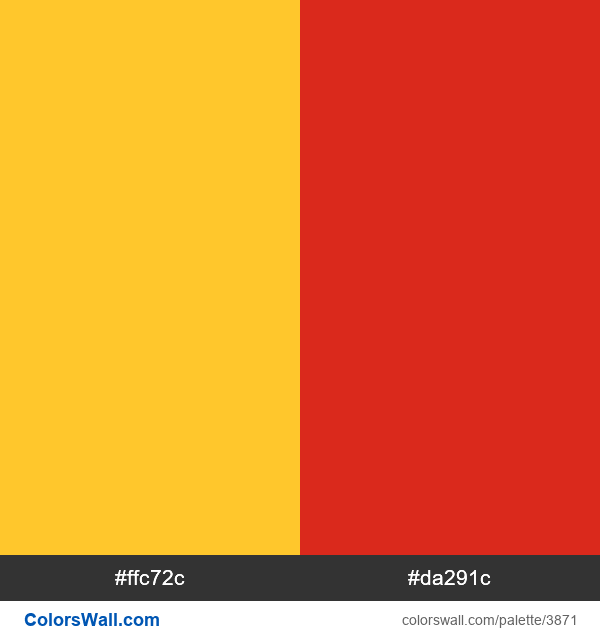
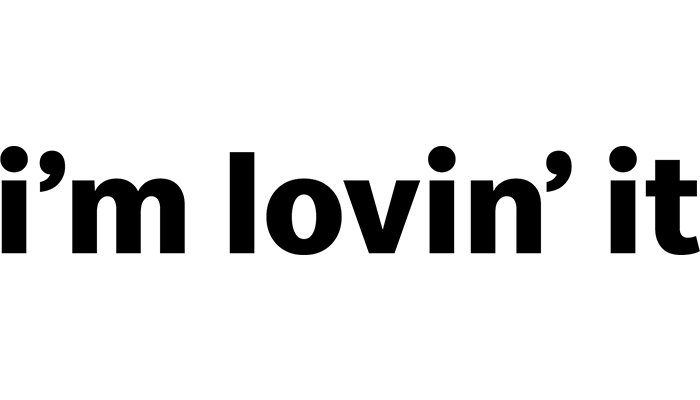
Using established distinctive brand assets of McDonald’s on social media. Even a product can function as a distinctive brand asset—if it is well-known enough.

Two characteristics of strong distinctive brand assets
After a few months of consistently building your distinctive brand assets, it’s time for the first measurement. You need objective data on the current strength and potential of your assets to know whether you’re on the right track. We recommend using Jenni Romaniuk’s practical framework (from the publication Building Distinctive Brand Assets), which works with two key variables: fame and uniqueness.
Fame refers to how well a specific distinctive brand asset is known. It indicates what percentage of people who buy in your category associate a given brand asset with your brand. For example, a fame score of 45% means that 45% of category buyers link that particular asset to your brand. However, they might also associate it with a competitor at the same time. You can build fame for your distinctive brand assets through the practices mentioned above—linking the asset to your brand name, ensuring broad reach among your target audience, and executing with high visual prominence.
Uniqueness, on the other hand, refers to whether a specific asset is perceived as unique to your brand and not confused with any similar asset from competing brands. A high uniqueness score means your brand is one of the few that comes to mind when consumers encounter that particular brand asset. For instance, a uniqueness score of 60% indicates that 60% of all mental associations with that asset belong to your brand, while 40% are linked to a competitor. Unfortunately, uniqueness tends to lie outside a brand’s direct control, as it largely depends on what competing brands are doing with their own distinctive brand assets.
Distinctive assets grid
By combining different scores of Fame and Uniqueness, you get a four-quadrant matrix known as the Distinctive Asset Grid. This framework maps how your current distinctive brand assets are performing and predicts their potential. It helps guide strategic decisions about whether it’s worth continuing to invest in your existing assets or whether it would be more effective for the brand to develop new ones.
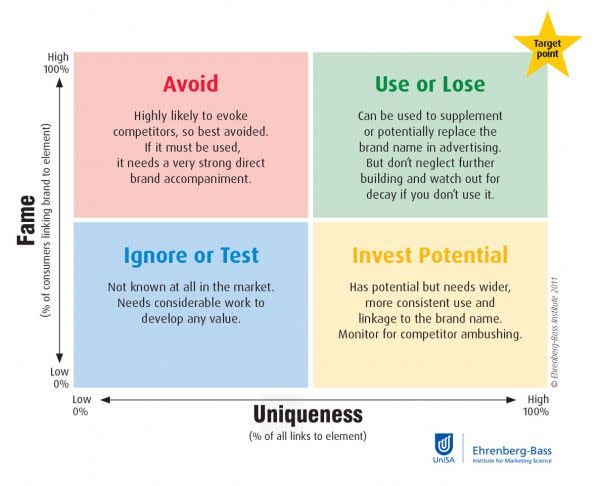
Source: Ehrenberg-Bass Institute
Ideally, you want to be in the top right quadrant of the grid—Use or Lose—where both Fame and Uniqueness are above 50%. If you’re approaching 100% on both variables, you’ve built strong distinctive brand assets that can often serve as a substitute for the brand name in large parts of your communication. But don’t forget: you also need to continuously build these assets for new buyers entering your category. If your assets sit just above the 50% mark, it’s important to keep focusing on growing Fame—by consistently using the assets alongside your brand name.
Another interesting quadrant that signals strong potential for your distinctive brand assets is the bottom right—Invest Potential—where Uniqueness is above 50%, but Fame is still below 50%. This means consumers largely associate your brand assets exclusively with your brand and don’t confuse them with competitors—good job! Now the focus should shift to increasing Fame by reaching as many category buyers as possible. In practice, this means placing your distinctive brand assets near the brand name in all your communications. In video formats, ideally show them right at the beginning and repeatedly throughout. Sure, it might sometimes feel a bit forced—but memory structures are only built through consistent repetition of the same elements, over and over again.
On the other hand, the bottom left quadrant—Avoid Solo Use—should raise concern. Here, Fame is above 50%, but Uniqueness is below 50%. While your brand assets may be widely recognized, their impact is diluted because competitors benefit from similar associations. These are typically generic assets tied to the category itself—like soft blue shapes for yogurts, red for ketchup, or bird silhouettes for airlines. If your brand holds a smaller market share than competitors using similar distinctive brand assets, it’s usually better to stop relying on those assets and start developing new, more unique ones.
If you’re a new brand and you fall into the bottom left quadrant—Ignore or Test—there’s no need to panic. Low Fame and Uniqueness scores may simply reflect that not enough people know you yet—let alone recognise your distinctive brand assets. However, if you’ve been on the market for some time, use your assets consistently in communication, and are reaching a large share of category buyers, then you’ve likely chosen the wrong assets. Not every asset has the potential to be memorable—they may be too subtle or overly sophisticated. This is where a creative (or neuroscience-savvy) expert comes in to help design new, memorable distinctive brand assets.
We’ve defined distinctive brand assets for Wobenzym, Strike TV, and Yolab. Shall we create yours too?